SMT inspection with SPI, AOI & X-ray
Find the fault at the station where it happens – not at the final test or from your customer's. With automated SMT inspection, every board is checked while it is still cheap to fix: solder paste after printing, placement and solder joints with SPI, AOI and hidden joints with X-ray.
The result is stable quality, less scrap and fewer surprises late in production. We help you choose the right mix for your line.

PCB inspection with SPI, AOI and X-ray for your PCBA production
Less rework, fewer escapes and data your operators can act on.
Here are the PCB inspection machines we supply, install and service for OEM and EMS manufacturers across Scandinavia and the Baltics.

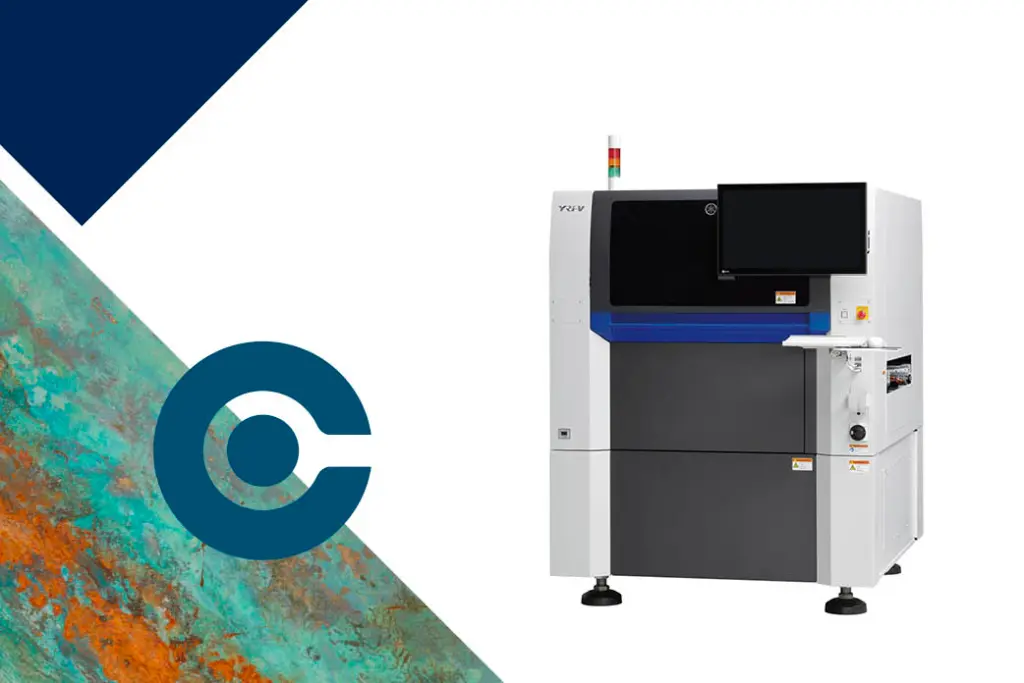
AOI YRi-V hs - high speed
Keep your line speed and still check every joint. The Yamaha YRi-V hs is made for high-volume lines where SMT inspection must never become the bottleneck.
Its 25-megapixel camera captures fine detail at high speed – a strong match for dense, demanding boards.
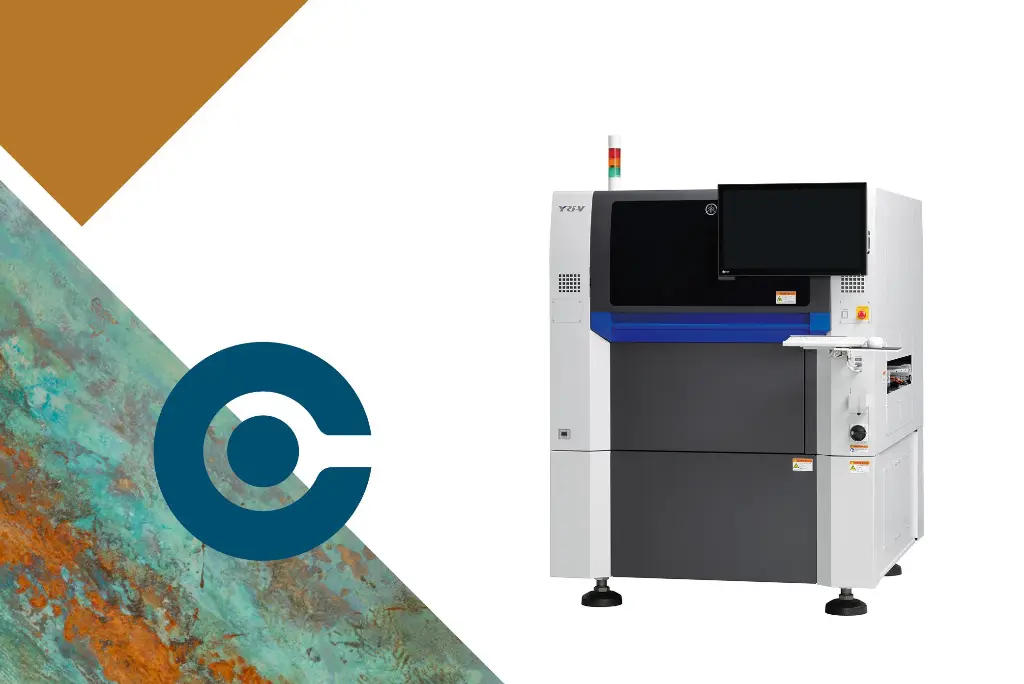
AOI inspection YRi-V
One machine, many products. The flexible Yamaha YRi-V is the all-round 3D AOI for everyday production with changing boards and batch sizes.
Its wide choice of inspection setups lets you fit the machine to your products - instead of the other way round.
AOI inspection lenses compare
The right lens saves seconds on every board.
Watch how lens choice affects field of view, inspection time and access to narrow spaces between tall components - handy to know before you specify your AOI.
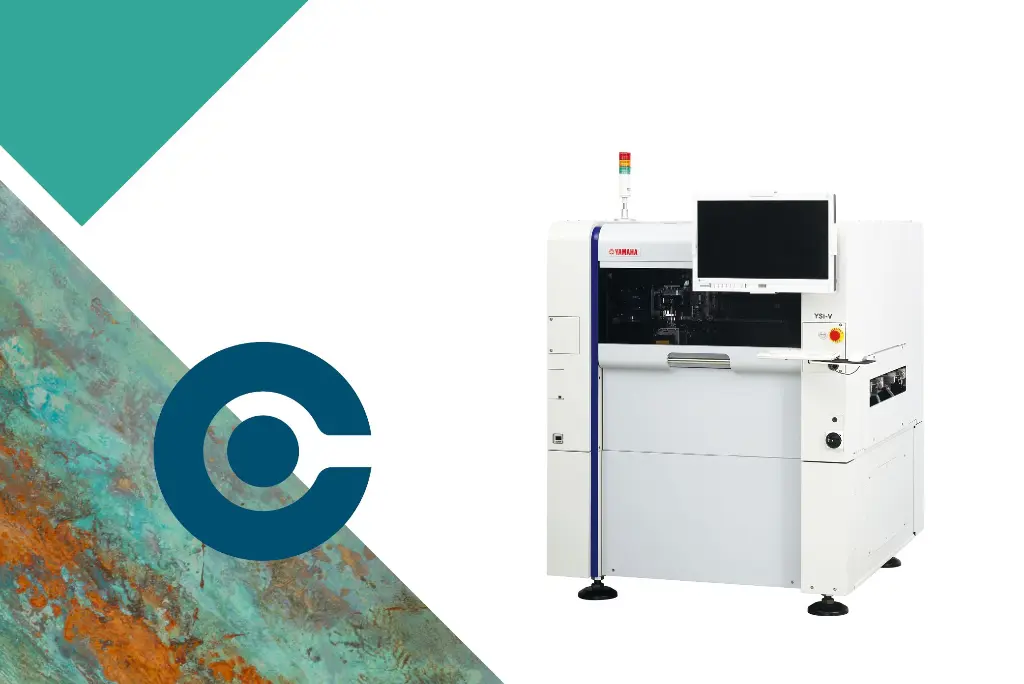
YSi-V AOI inspection
Three inspection jobs, one footprint. The Yamaha YSi-V combines three AOI functions in a single, durable unit - a flexible PCB inspection choice when floor space is tight and your product mix changes often.
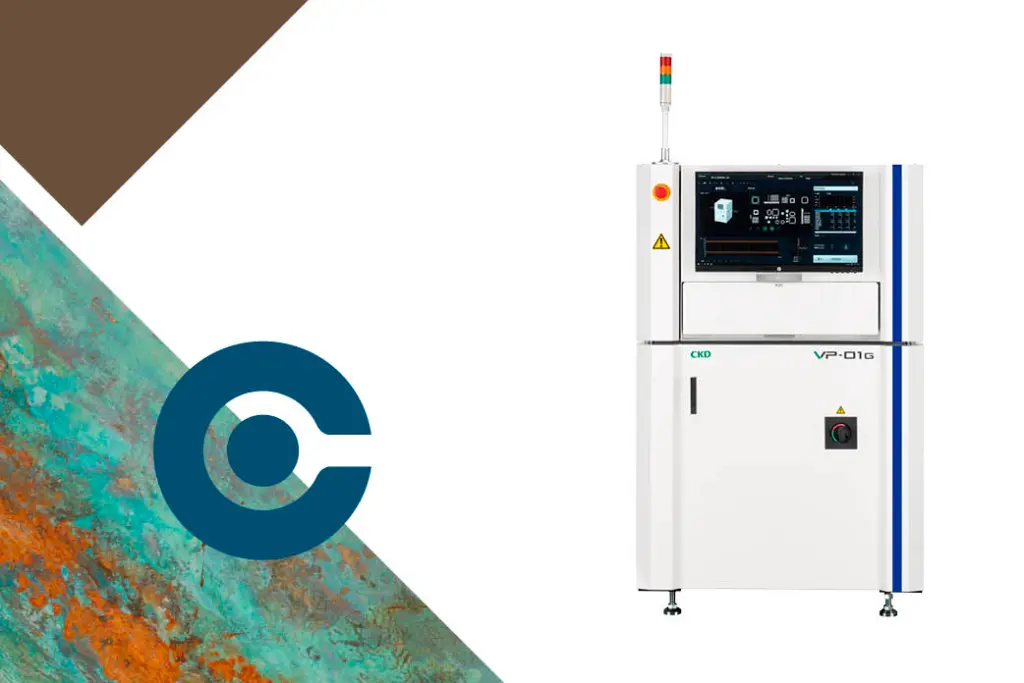
SPI - solder paste inspection
Stop defects before a single component is placed. Many soldering faults begin with the paste print. The Yamaha SPI measures paste in 2D and 3D and compensates for board warpage, so you can correct the printing process straight away.

Need help?
Not sure which SMT inspection setup fits your line? Tell us about your boards, volumes and quality targets.
Our in-house specialists help you find the right combination - and you are welcome to book a demo.
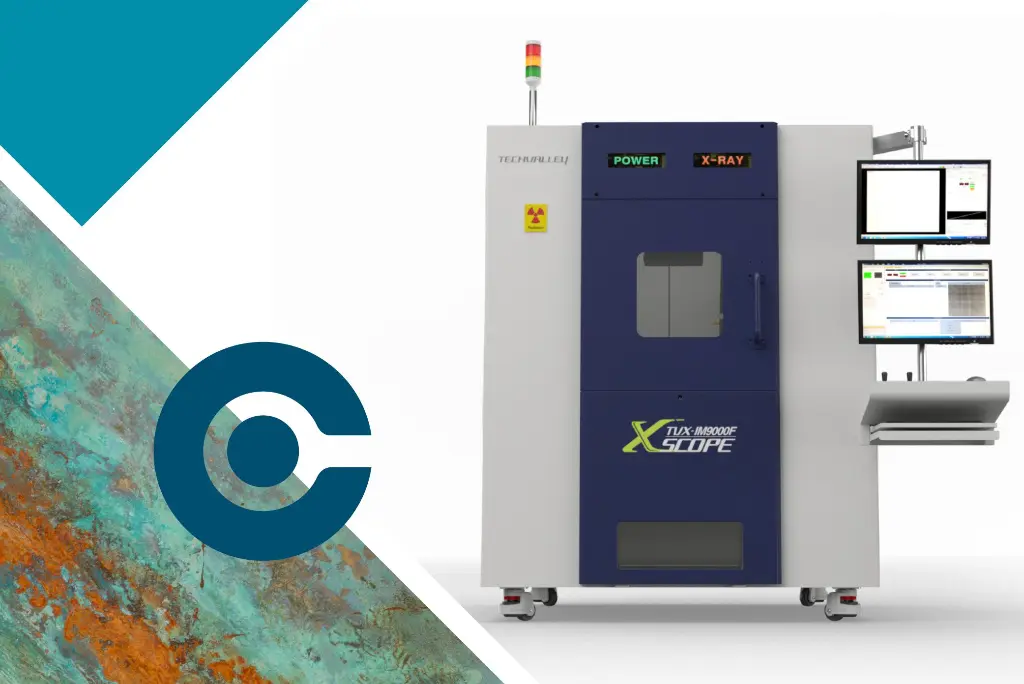
PCB X-ray inspection, 2D
See what cameras cannot. BGAs, QFNs and other hidden joints call for X-ray. The TechValley TVX-iM9000F gives you clear 2D images plus measurements of diameter, angle and distance -documentation you can share with your own customers.
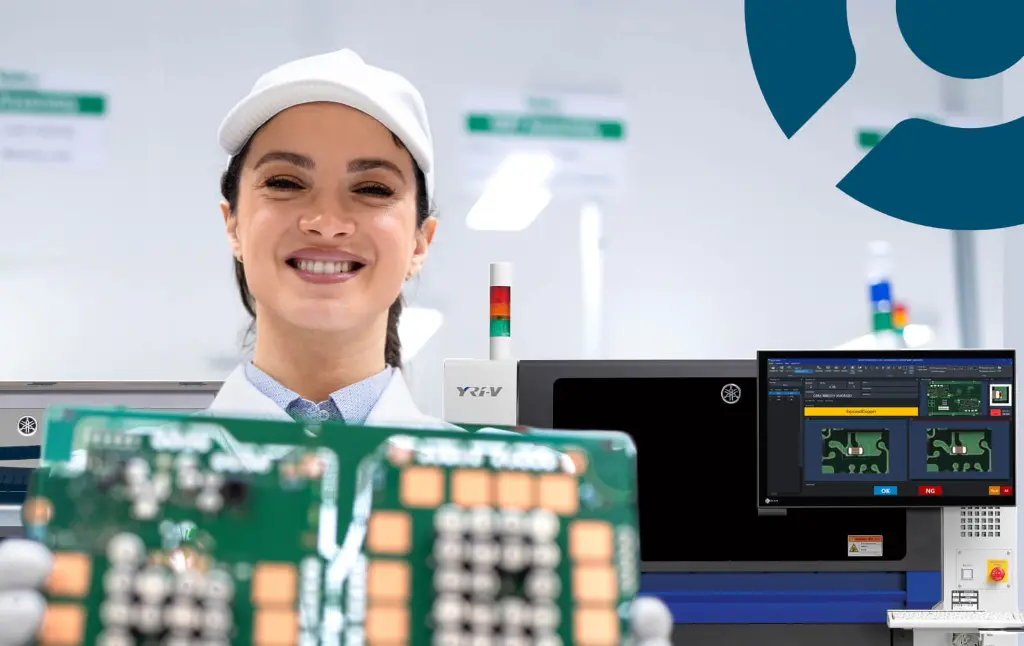
PCB inspection guide
New to inline inspection or reviewing your current setup?
Our guide compares automated and manual inspection, explains where AOI, SPI and microscopes fit in, and shares good practice for raising first-pass yield.
Inspection your PCB's
Which SMT inspection does your line need?
Start where your defects start. Each step in PCB inspection answers its own question:
SPI – is the paste right?
Volume, height and position are checked before any component is placed.
AOI – is everything placed and soldered correctly?
Missing, shifted or wrong components and poor solder joints are flagged.
X-ray – what is happening under the component?
Joints and voids that no camera can see are made visible.
Together, the three give you the data to correct errors at the source and keep the quality of your PCBA production at its best. You do not need everything at once – SMT inspection can grow with your line.
You are not left alone after delivery either. Our service team installs the equipment, trains your operators and supports you afterwards, so your PCB inspection keeps delivering reliable results year after year.
SMT inspection - quick answers
Frequently asked questions
SMT inspection is the automated checking of printed circuit boards during surface-mount assembly. SPI, AOI and X-ray machines compare each board with the limits you have set and flag deviations, so faults are fixed early instead of after final test.
SPI measures the solder paste deposit right after the screen printer. AOI checks components and solder joints later in the line. Both feed data back to your process. Put simply: SPI helps you prevent defects, AOI helps you catch them.
SPI sits right after the screen printer. AOI is typically placed after pick & place, after reflow, or both. X-ray is used wherever joints are hidden.
The best inspection position and machine depends on where your faults arise - we are happy to look at it with you.
When solder joints are hidden under the component body, as with BGA and QFN packages, or when your customers ask for documented solder quality.
No. It gives your operators better information, faster. The machine finds and measures; your people decide how and what to adjust in the process.

PCB inspection in focus
Learn more about AOI, SPI & X-ray
Want to dig deeper? Our articles and customer stories show how other manufacturers use PCB inspection for process control, early defect detection and consistent quality across their electronics production.
Explore SMT inspection articles >
Good PCB inspection starts with the right question: SPI for solder paste, AOI for placement and solder joints, or X-ray for the hidden details? Pick your starting point above – or ask us, and we will go through your line together.